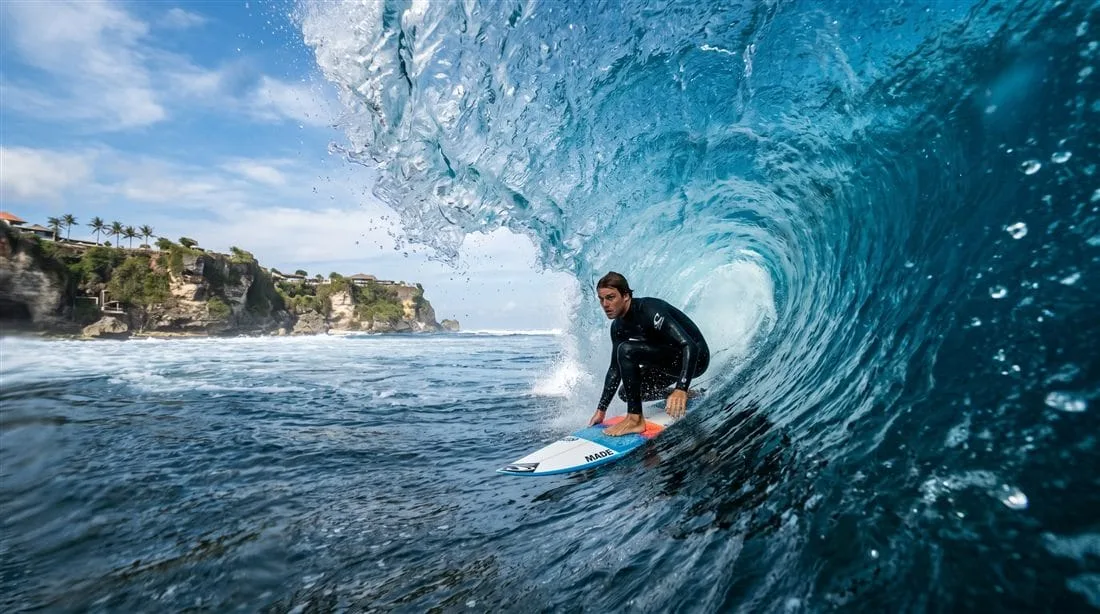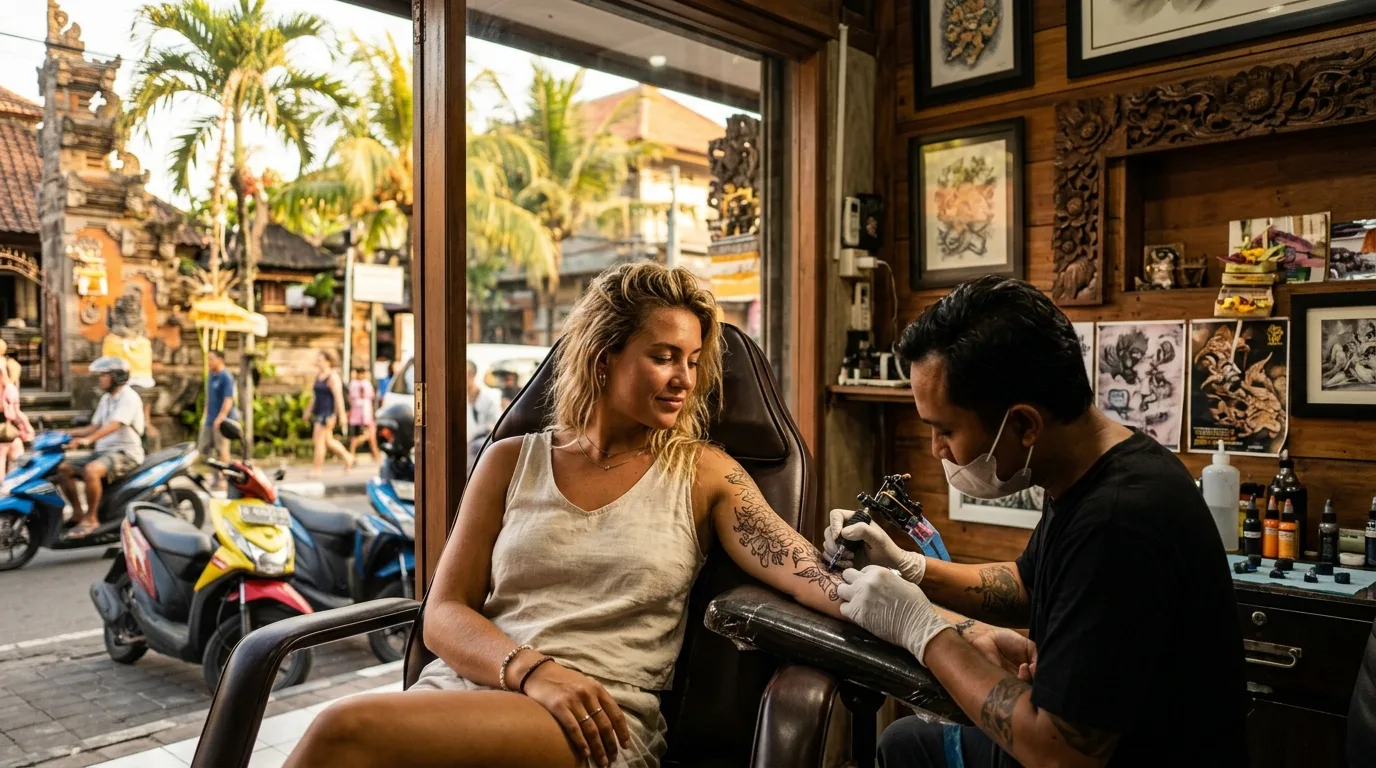
Kuta Beach is one of Southeast Asia's busy tattoo scenes, where culture, art and affordability meet on a single beachfront strip. For a lot of travellers, getting inked here becomes part of the trip itself. It's a small ritual that turns memories into something permanent.
I'm a local guide here in Kuta. I've watched this tattoo culture grow up around me, so I know which studios are worth your time and money. Here are ten honest reasons a Kuta tattoo is worth considering, plus what you actually need to know to do it safely.
Why Kuta's Tattoo Scene Has Grown
Kuta packs serious artists, walk-in-friendly studios and fair pricing into one beachside corridor. You can find everything from minimalist fine-line work to bold traditional Balinese spiritual symbols, all within a short scooter ride from the sand.
What used to be a handful of basic shops has expanded into a proper creative industry. Local artists who trained internationally now come home to set up in Kuta, because the location sells itself.
The tattoo scene here is different from what you'd find in Bangkok or Phuket. Bali has its own spiritual relationship with body art. The local culture takes symbolism seriously, and that respect bleeds into how the artists here approach their work.
When someone asks me where to get a Kuta tattoo worth doing, I don't send them to the cheapest walk-in shop. I send them to the studios where the artists actually care about what they're putting on your skin.
Is Tattooing in Bali Safe?
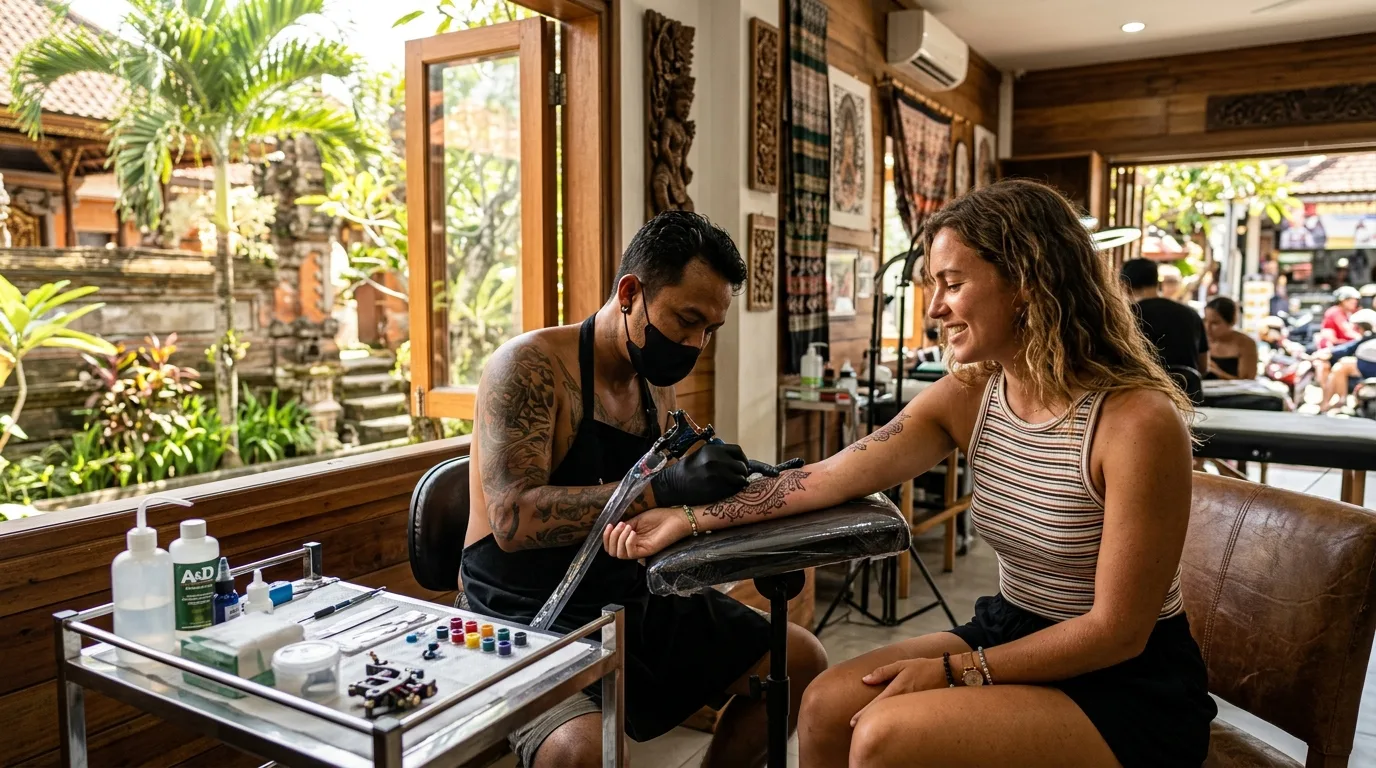
Yes, getting a tattoo in Bali is safe at a reputable Kuta studio. The right studios are not hard to find if you know what to look for. The better shops follow international protocols: single-use needles opened in front of you, autoclave sterilisation for all reusable equipment, and hospital-grade disinfectants.
Reputable studios keep clean, transparent setups you can verify before you sit down. The key is choosing a studio that displays its health permit and business licence visibly.
If a studio hesitates when you ask to see their sterilisation setup, walk out. A good studio will show you everything without any fuss.
What to expect during the process
At reputable Kuta studios, consultations usually happen in fluent English. The artist will cover design, placement, pain expectations and aftercare before any work begins. For custom pieces, you usually pay the tattoo studio a deposit to confirm the design and your appointment slot.
Good artists show you a mock-up on an iPad or paper before any needle touches your skin, so you can make adjustments. Don't let any studio skip this step.
The actual session moves at a pace you agree on. You can ask for breaks and good artists will offer them. If it's your first tattoo, say so. The best shops here have genuine experience with first-timers and know how to make the session comfortable.
Local laws, consent age and licensing
- Minimum age: 18 years. Reputable studios verify ID before tattooing.
- Licences on display: legitimate shops show health permits and business licences on the wall.
- Avoid beach-side stalls: unauthorised setups mean no licence, no accountability and no recourse if something goes wrong.
- The studio sets the standard: there's no single national tattoo-licensing scheme, so the studio's own hygiene practices are your main safeguard. Choose one that sets the bar high.
10 Reasons Kuta Is a Tattoo Hotspot
1. Genuine Artistic Talent
Kuta attracts local artists who trained in Europe, Japan and Australia, alongside international artists who came for a holiday and stayed. You'll find specialists across a range of styles — not a row of identical walk-in shops. What to look for:
- Range of styles: realism, fine line, Japanese traditional, neo-traditional and Balinese mandala work.
- Specialists, not generalists: you're choosing between artists who each do one thing well, rather than average all-rounders.
- Check the portfolio first: every serious studio keeps an Instagram — look at healed work, not just fresh photos, before you book.
2. Honest Prices Without the Markup
Prices vary by size, detail, hours and the individual artist, but as a rough guide at reputable Kuta studios:
- Small (palm-sized or less): from around USD $40–80.
- Medium pieces: roughly USD $80–200.
- Full sleeves: from about USD $400–800 or more, depending on complexity.
You'll generally pay less here than for comparable work in Australia, the UK or the US. That's mostly because the cost of living is lower, not because the work is worse.
One caveat: don't negotiate aggressively. Good artists have standards and won't rush work to hit a budget. If the price is too high, find a different artist rather than pressuring the one in front of you. Compare USD and IDR on XE so you know roughly what you're agreeing to.
Andrew's Take: I always tell people to agree the full price in writing before they sit down. Get it confirmed in IDR or USD, whatever you agreed, on a receipt. I can help translate or negotiate if you message me beforehand — getting the price locked in Indonesian before the needle starts is just smart travel.
3. Cultural and Spiritual Designs with Real Meaning
Bali has one of the richest artistic and spiritual traditions in Asia, and Kuta tattoo artists have grown up inside that culture. When a Balinese artist draws you a mandala, a lotus or an Om symbol, they know the actual spiritual context behind it, not just what it looks like on a screen.
Designs rooted in Hindu-Balinese symbolism, Balinese calendar motifs (Pawukon), and traditional kala (protective spirit) imagery can be incorporated into modern tattoo styles in ways that you won't find in studios outside Bali. If this kind of cultural depth interests you, take time to discuss it with the artist during your consultation.
4. Safe Equipment and Visible Hygiene Standards
The bali tattoo safety hygiene standards at the top Kuta studios are not compromised. Disposable grips are standard. Needles are opened from sealed packaging in front of you. Ink cups are fresh per session. Surfaces are wiped down with hospital-grade disinfectant before each client sits.
You should see all of this happening. If you don't, ask. A good studio welcomes the question.
If you feel uncomfortable at any point before the session starts, you're entitled to leave. For deposit and rescheduling questions, check directly with the studio how they handle them. Trust your instincts.
5. Walk-In Friendly with Fast Booking
Most Kuta studios accept walk-ins for small to medium pieces without a prior appointment. For larger custom work or a specific artist, book 2 days in advance via Instagram DM or WhatsApp. Response times are typically fast, often within a few hours.
This flexibility suits travellers on shorter trips well. If you arrive in Bali on Monday and want a tattoo by Wednesday, that's entirely realistic. Just be clear about what you want and your budget in your first message so the artist can confirm availability quickly.
6. iPad Mock-Ups Before Any Needle Touches Skin
iPad mock-ups are standard practice at quality Kuta studios, and they make a real difference to the outcome. Artists use iPad apps to position a digital mock-up of your design directly on your skin in the correct placement. This shows you scale, proportion and how it will look on your actual body.
You can adjust the size, rotate the design and try different placements before anything is permanent. First-timers especially benefit from this step. It removes the anxiety of not knowing exactly what the result will be and gives you confidence going into the session.
7. A Genuinely Good Experience for First-Timers
Kuta is a strong choice for a first tattoo. If you've been waiting for the right moment and the right place, this is a strong argument for doing it now. The island setting takes the edge off the nerves, and English-speaking staff are genuinely used to walking first-timers through the experience without rushing them.
The studios I recommend have air conditioning, clean waiting areas and artists who understand that some people need 10 extra minutes to decide they're really ready. For a lot of travellers, getting a first tattoo in Kuta is a far better experience than getting one back home at a studio with a full waiting list and no time to talk.
8. A Creative Community That Points You in the Right Direction
Kuta's tattoo community is genuinely collaborative. If you visit a studio and their style doesn't match what you want, a good artist will tell you honestly and point you to another studio that suits you better. This kind of professional respect is not universal in the global tattoo industry, but it's common here.
The community is small enough that reputation matters. Artists here care about the quality of what leaves the studio, and that includes referring clients to the right specialist rather than taking work they're not the best fit for.
9. Get It Near the End of Your Trip, Not the Beginning
Schedule your tattoo for the last 2 days of your trip. This is practical advice that most people don't think about in advance. A fresh tattoo cannot be submerged in water for at least 2 weeks, exposed to direct sun without protection, or soaked in sweat from vigorous activity.
So if you're planning surf lessons, swimming, snorkelling or any water sports in Bali, get inked at the end. That way your tattoo heals cleanly while you're back home, and you don't waste surf sessions or beach days on aftercare restrictions. A kuta tattoo studio price conversation should include a brief ask about healing timeline so you can plan your trip accordingly.
10. A Permanent Souvenir That Actually Means Something
Every gift shop in Kuta sells the same batik sarongs, wooden carvings and fridge magnets. A tattoo done by a Balinese artist, incorporating designs rooted in the island's culture, is something you'll carry for the rest of your life. It's a conversation starter with a real story behind it, not a souvenir that ends up in a drawer.
Travellers who get inked here often say the bali tattoo experience becomes one of their clearest memories of the trip. That's not marketing. It's what I hear from people sitting at my bar two days after they did it.
Is Kuta the Right Place for Your Tattoo?
If you want skilled artists, fair transparent prices and a safe hygienic setting, Kuta is hard to beat. The key is choosing a studio that opens sealed needles in front of you and has a portfolio that matches the style you want.
That's exactly the kind of guidance I give to people who message me. I know which studios in Kuta are worth your trust, which artists specialize in which styles, and how to make sure the price is agreed before you sit down. See how I work on my about page, or browse what else I can arrange on the activities page.
Frequently Asked Questions About Kuta Tattoos
Is getting a tattoo in Bali safe?
At reputable Kuta studios, yes. The top shops follow international protocols single-use needles opened in front of you, autoclave sterilisation for reusable equipment, and hospital-grade disinfectants. Choose a studio that displays its health permit and business licence on the wall. Avoid unauthorised beach-side stalls that operate without permits or fixed addresses. If you're unsure which studios meet these standards, message me and I'll point you to ones I personally trust.
How much does a tattoo cost in Kuta, Bali?
Small tattoos (palm-sized or under) start around USD $40–80 at reputable studios. Medium pieces run USD $80–200. Full sleeves start at USD $400–800 depending on detail, hours and the artist's level. These prices are generally lower than equivalent work in Western countries, mainly because the cost of living is lower. Don't negotiate aggressively good artists have fair rates and won't rush their work to hit a lower number. Get the full price confirmed in writing before the session begins.
What is the minimum age to get a tattoo in Bali?
18 years. Reputable studios ask for ID verification before tattooing and will turn away minors. Legitimate studios display their business and health licences. This is a non-negotiable standard at any studio worth visiting.
How long does healing take after a Bali tattoo?
Surface healing takes 2 weeks. During this period, avoid submerging the tattoo in water (no swimming, no ocean, no pool), avoid direct sun exposure on the tattooed area, and keep it moisturised with a fragrance-free lotion. Full deep-layer healing takes around 3 months. Given Bali's hot and humid climate, keep the area clean and dry. Your artist will give you specific aftercare instructions and a small tube of aftercare cream follow them closely.
Can I find a specific tattoo style in Kuta, like fine-line or traditional Japanese?
Yes. Kuta has specialists in most major styles: fine-line, realism, neo-traditional, Japanese traditional, blackwork, geometric and Balinese mandala. Check Instagram portfolios before booking to match your style to the right artist. Not every artist does every style well a studio with a strong realism artist may have a different artist handling fine-line work. Ask specifically which artist you'll be working with before you confirm your booking.
Do I need to book in advance or can I walk in?
Most Kuta studios accept walk-ins for small pieces. For medium or large custom work, or if you want a specific artist, book 2 days ahead via Instagram DM or WhatsApp. Response times at reputable studios are typically fast often within a few hours. If you're on a tight itinerary, message ahead before you arrive in Bali so the booking is confirmed and you're not spending a morning hunting for availability.
Is a kuta tattoo in bali worth it? Yes, that's the short answer. You get skilled artists, honest prices, proper hygiene and a cultural depth that adds meaning to whatever you choose to put on your skin. Done right, the bali tattoo experience here is one of the genuine highlights of a Kuta trip.
Want a clean studio and an agreed price without the tourist markup? That's exactly what I sort for people. See the activities page or read how I work before you message me.