Kuta is where most Bali trips begin — beginner-friendly surf, a long sunset beach, easy food and a short hop to temples and cliffs. It gets called touristy, and parts of it are, but as a base it's hard to beat: you can walk to the beach, eat well for a few dollars, and still be at the airport, a clifftop temple or a quiet southern beach within the hour.
Here's what's actually worth your time in and around Kuta, with honest local picks and rough prices in USD, so you skip the traps and spend on the things that are genuinely good.
Surf & Beach Days
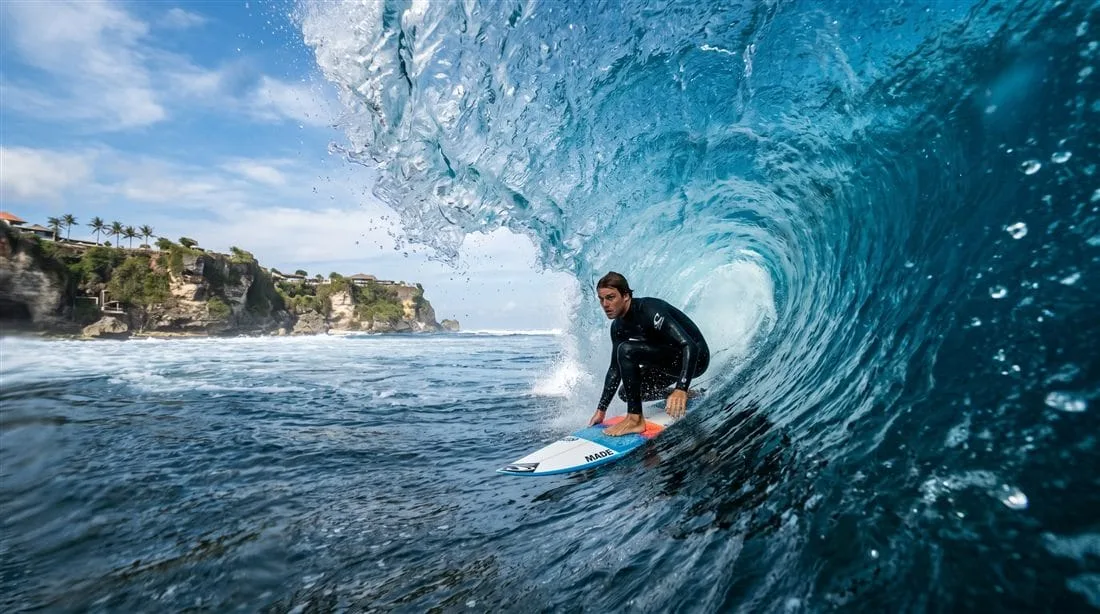
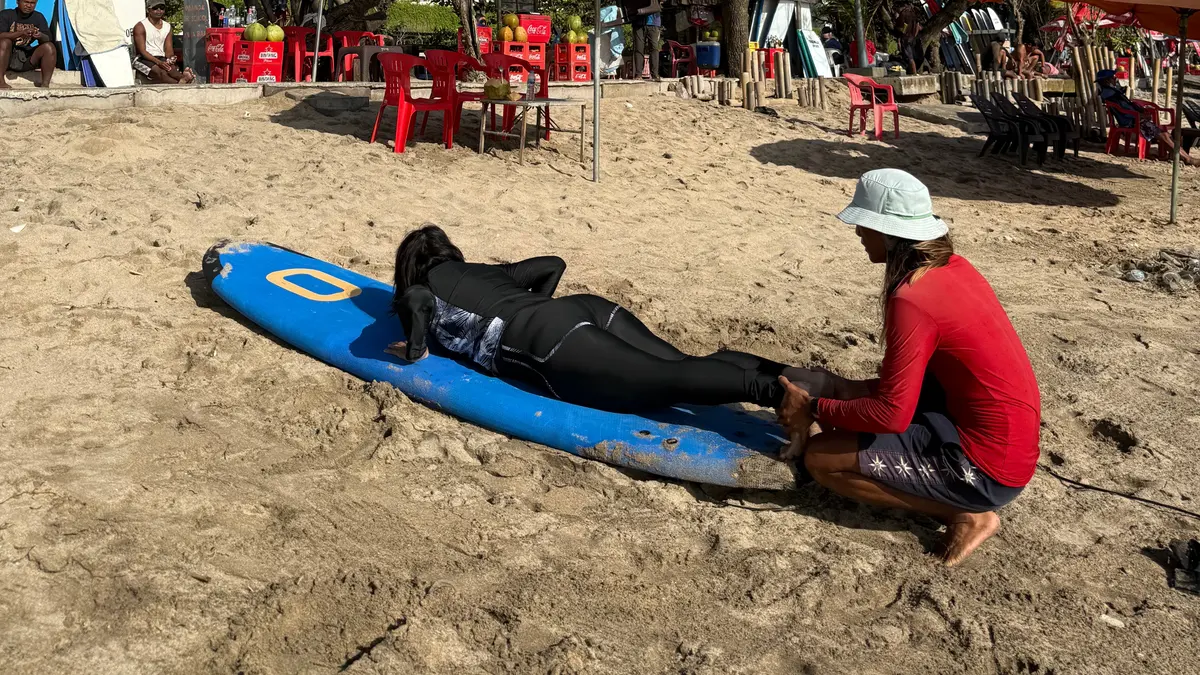
Kuta Beach is the easiest place in Bali to learn to surf — soft, slow whitewash over a sandy bottom, lifeguards patrolling the flagged zones, and a surf school every fifty metres. It's a forgiving wave to fall on, which is exactly why beginners start here rather than the reef breaks further south. Spend a morning in the water and the rest of the day on the sand.
- Surf lesson at Kuta Beach: from about USD $18 an hour, with a discount for longer sessions — a 2-hour lesson is around $30; board and rashguard included. Go early — the water is cleanest and the wind is down before about 9 AM. Check the day's USD/IDR rate on XE so you know what you're paying. (More in my beginner surf-lesson guide.)
- Sunbathe and people-watch: the main stretch is long and easy to settle into for the afternoon. Loungers and umbrellas are cheap to rent, and the beach vendors sell cold coconuts and cut fruit.
- Walk south to Tuban Beach: quieter sand, a short stroll down the coast from the busy centre — better if you want space and fewer hawkers.
- Stay for the sunset: Kuta faces west, so the whole beach turns gold in the evening — one of the best free things to do here. Here's where to watch the Kuta Beach sunset, beach spots and clifftops both.
Water Sports & Theme Parks
When you want a bigger hit of adrenaline, Kuta has it close by — and Waterbom, right in the middle of town, is a favourite with families and thrill-seekers alike. Most of the open-water activities are a short drive south at Tanjung Benoa, the watersports hub of the peninsula.
- Waterbom Bali: from about USD $35; buy online to skip the queue at the gate. Plan a full half-day — it's a proper park with shade, food and lockers.
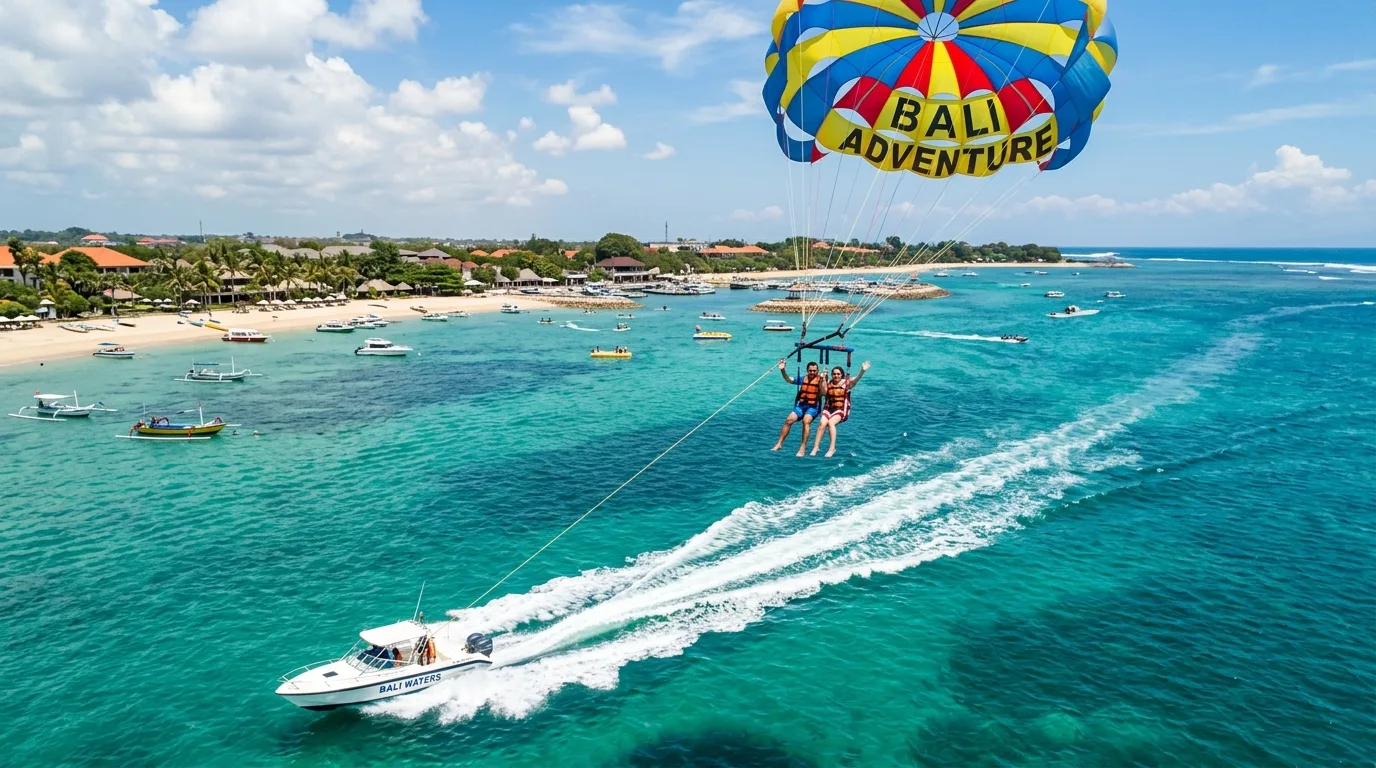
- Parasailing and jet ski at Tanjung Benoa: the watersports hub a 20–30 minute drive south, with most activities sold individually or bundled into a package. Agree the price and number of rounds before you start.
- Seawalker and diving: walk the seabed in a weighted helmet with no swimming needed — good for non-swimmers and kids — or go for a guided dive if you're certified.
- Banana boat and snorkelling trips: easy add-ons at Benoa, often cheaper if you book a couple of activities together.
Want the best of this in one smooth day? Andrew can plan it and put a driver on it — you just enjoy it, no working out routes or rides.
Plan my day 🤙Culture & Sunsets
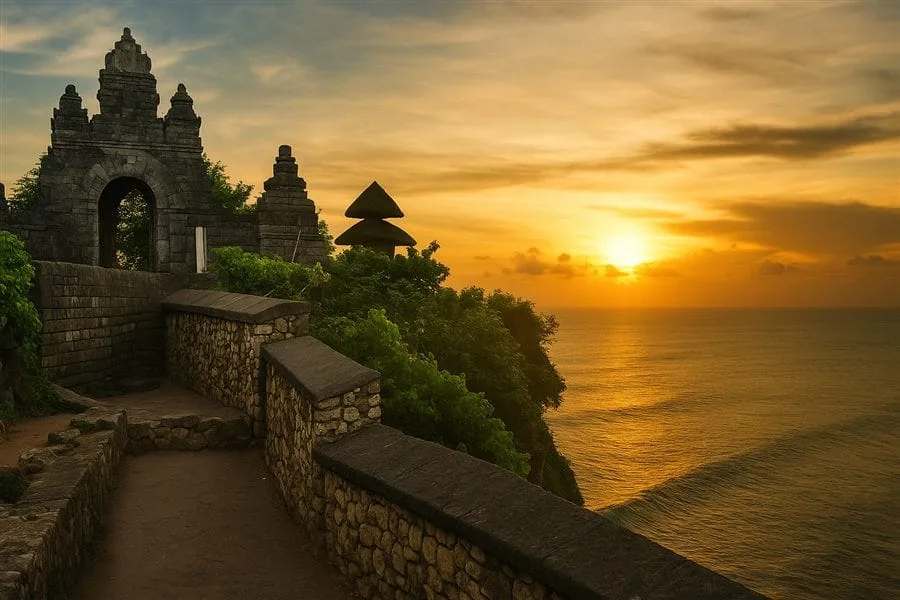
You're a short drive from some of Bali's best-known temples and cliff sunsets. The classic move is to pair Uluwatu's Kecak fire dance with the sunset for one memorable evening — arrive an hour early to get a seat in the amphitheatre and dress respectfully (a sarong is provided at the temple).
- Uluwatu Temple + Kecak dance: a clifftop temple with a fire-and-chant dance that ends right as the sun drops into the ocean. Watch your sunglasses and phones — the resident monkeys are quick.
- Tanah Lot at low tide: the sea temple is best when the tide is out and you can walk across to the base of the rock. Check the tide before you go or you'll be looking at it from across the water.
- Cliff views at Karang Boma and Suluban: dramatic viewpoints and hidden beach caves near Uluwatu, a few minutes apart.
- GWK Cultural Park: the giant Garuda Wisnu Kencana statue and a venue for daytime cultural performances, handy to combine with the Uluwatu side.
All of these are day-trip distance from Kuta. If you only have one evening, choose Uluwatu for the drama or Tanah Lot for the photo — doing both in one night means a lot of driving.
Food, Nightlife & Shopping
Eat where locals eat, then ease into Kuta's nightlife at your own pace — it runs from quiet beach bars to the loud clubs up in Legian, so you can dial it to whatever you're after.
- Local warungs: cheap, proper Indonesian food a street or two back from the tourist strips. Nasi campur, satay and fresh juice for a few dollars — this is the food I actually eat.
- Cafes and brunch: Kuta has a solid specialty-coffee scene now; see my 9 best Kuta cafes guide for the spots worth the walk.
- Sunset beach bars: a drink in the sand as the sky turns — the simplest good evening in Kuta.
- Legian nightlife: the busier clubs and live-music bars are a short walk or ride north if you want a big night; Kuta itself stays more low-key.
- Beachwalk Mall and Poppies Lanes: air-conditioned retail and a cinema at Beachwalk, or the narrow lanes of Poppies for street stalls, surf gear and souvenirs — haggle politely at the stalls.

Rather not work out the logistics? Tell Andrew what you want to see and he’ll sort a driver at the local rate — temples, sunsets and beaches, all in one easy day.
Sort my driver 🤙Getting Around & How Long to Stay
Kuta itself is walkable — beach, food and shopping are all close. For anything beyond town, here's how to move and how long to give it:
- Getting around: ride-hailing apps (Grab/Gojek) are cheapest for short hops; for a full day of temples and beaches a private driver is far easier and lets you cover the south coast at your own pace.
- How long in Kuta: two to three days covers the town itself — surf, beach, Waterbom and one sunset temple trip. Use it as a base and day-trip out to Uluwatu, Ubud or Nusa Penida.
- Best time of day: beach and surf in the morning, temples and viewpoints in the late afternoon for the sunset, food and bars after dark.
- Mind the traffic: the Kuta–Legian–Seminyak strip clogs up in the late afternoon, so leave earlier than feels necessary for any sunset plan — missing the light stuck on the bypass is the most common avoidable disappointment here.
- Money: carry some cash for warungs and beach vendors; use authorised money changers, not the "no commission" booths with suspiciously good rates. My Kuta money-exchange guide covers how to avoid the short-change tricks.
Andrew's take
People write Kuta off as just a party strip, but that's a shame — it's the most practical base in south Bali, and the good stuff (a dawn surf, a warung lunch, a clifftop sunset) costs almost nothing if you know where to point yourself. The mistake I see most is travellers trying to cram Uluwatu, Tanah Lot and a water-park into one frantic day. Pick a couple of things per day, leave time on the beach, and let me sort the driver and bookings so you're not haggling in the heat. And don't try to "see everything" in one trip — Kuta rewards a slower pace, so save Ubud, the east coast and the other islands for next time and actually enjoy the few things you do choose.
Frequently Asked Questions
Is Kuta worth visiting in Bali?
Yes — it's the most convenient base for first-timers: walkable, beginner surf, easy food, nightlife and quick access to temples and the airport. Quieter travellers often pair it with a night or two further south.
How many days do you need in Kuta?
Two to three days covers Kuta itself — surf, beach, Waterbom and a sunset temple trip. Use it as a base and day-trip to Uluwatu, Ubud or Nusa Penida.
Is Kuta good for families?
Very. Gentle surf with lifeguards, Waterbom, Bali Zoo nearby and lots of family-friendly food make it one of the easier parts of Bali with kids.
What is the best time of year to visit Kuta?
The dry season (roughly April to October) has the most reliable sunshine and cleanest surf. The wet season is still warm and far cheaper, just with more afternoon downpours.
How do I get around Kuta and to the temples?
Within town, walk or use Grab/Gojek for short rides. For a day of temples and southern beaches, a private driver is the easiest and most flexible option.
Is Kuta Beach safe to swim and surf?
Yes, within the flagged zones patrolled by lifeguards. Rip currents exist, so swim and surf between the red-and-yellow flags and follow your instructor's advice on where to paddle out.