Ubud is the cultural side of Bali: rice terraces, temples, art and monkeys, all up in the cooler hills. From Kuta it's close enough to do in a single day and still be back for dinner.
I sort this day for people staying in Kuta all the time, so here's the version that actually works — the Sacred Monkey Forest, Ubud Palace and the town, the Tegalalang rice terraces and a proper local lunch, with the real prices and the timings that keep you ahead of the traffic.
How to Do Ubud in a Day from Kuta
The trick with Ubud in a day is order and timing, not cramming. Everything below sits within a short drive of central Ubud, so you loop them rather than criss-cross.
The route I use: leave Kuta around 8 AM, start at the Monkey Forest before it gets hot and busy, walk up into the town for the palace and the market, drive out to the Tegalalang rice terraces, and have a late lunch nearby. That has you heading back down by mid-afternoon, before the worst of the evening traffic builds on the Ubud road.
- Monkey Forest — jungle, temples and macaques, right by the town.
- Ubud Palace & market — the cultural centre of town, both walkable.
- Tegalalang rice terraces — the classic stepped-green view, just north.
- Lunch — a local warung so you eat well without the tourist markup.
Sacred Monkey Forest Sanctuary, Ubud
The Sacred Monkey Forest Sanctuary is the one everyone knows. It's a patch of thick jungle on the edge of town, home to hundreds of Balinese long-tailed macaques and three old temples, with mossy stone statues and a stream running through it.
Entry is IDR 130,000 for adults and IDR 100,000 for children (set in rupiah, so it does creep up over time), and you'll want an hour or so to walk the paths. It's genuinely lovely — the light through the trees, the carved bridges — but the monkeys are wild, and that's the part to take seriously.
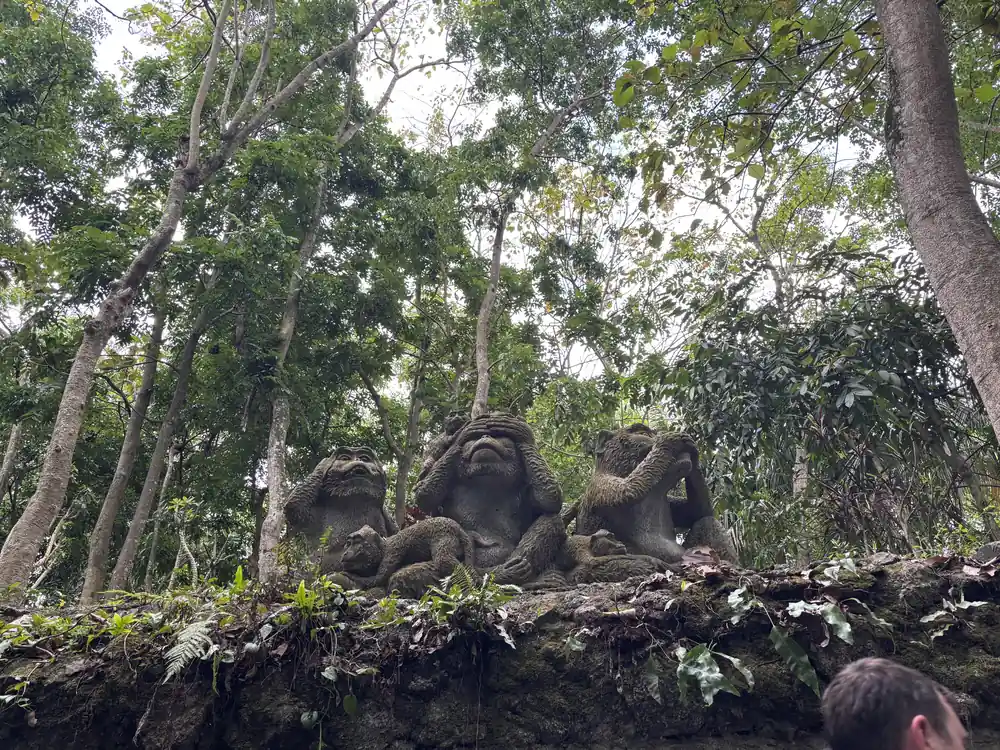
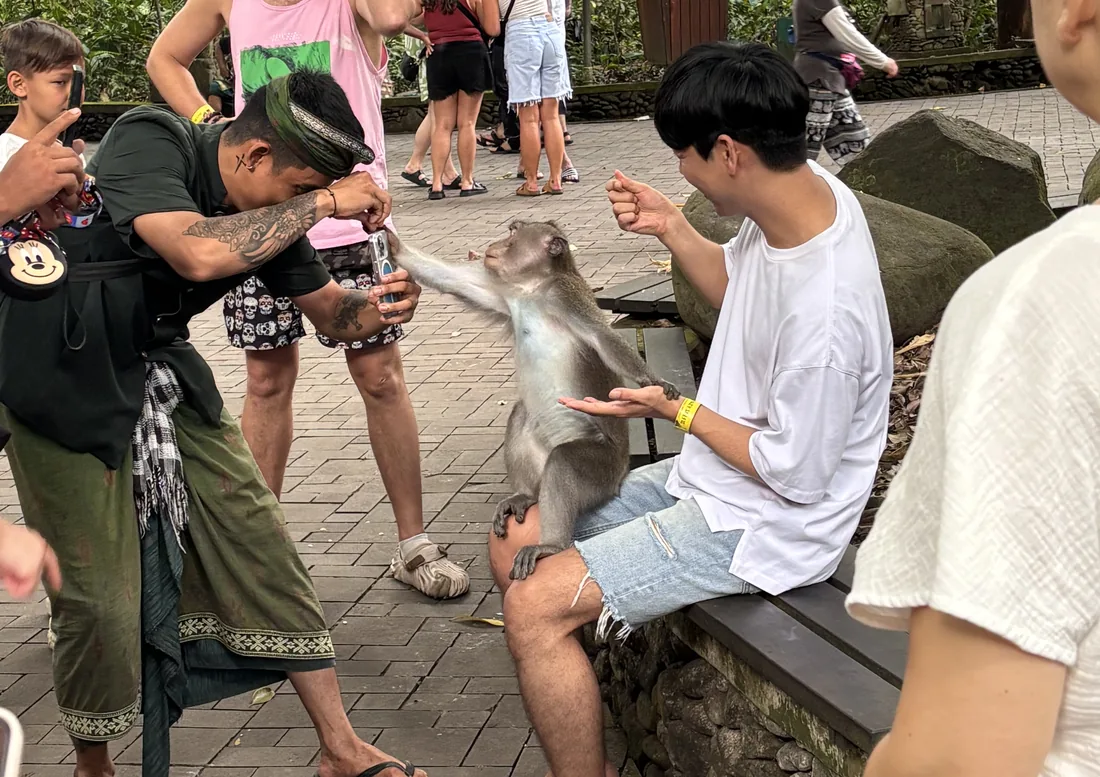
Want the classic shot with a monkey on your shoulder? About 3–5 minutes in from the entrance you'll reach the spot where the staff set it up (you'll see small bracelet stalls around here too). The monkey selfie is a fixed thing: a set fee of IDR 50,000, cash, per photo. The monkeys used for these photos are the calmer, handler-trained ones, so this part is low-risk and good fun.
The flip side — keep away from the crowds. Away from that photo spot, if you see a group of monkeys clustered together, give them a wide berth. That's where a bold macaque is most likely to jump, grab or nip, so admire the big groups from a few metres back rather than walking into the middle of them.
Monkey Forest rules: how to avoid getting bitten or robbed
The macaques are smart and quick, and they know tourists carry food and shiny things. A few simple rules keep it fun rather than stressful:
- Don't carry food or drinks in your hands or in an open bag — that's what starts trouble.
- Secure your stuff. Sunglasses, hats, phones and loose bags all get grabbed. Zip things away.
- Don't tease them, don't pull things back if they grab, and don't get between a mother and her baby.
- Keep a little distance and follow the staff — they're there to help if a monkey gets bold.
Treat them like the wild animals they are and you'll have a great time. The photo at the top is exactly this — a calm, guided moment, not a tug-of-war over a water bottle.
What to do if a monkey bites or scratches you
It's rare, but have a plan. There's a first-aid post inside the sanctuary where staff can clean and dress a bite or scratch, and they'll tell you the resident monkeys are vaccinated every year. That's reassuring — but it isn't a reason to skip proper care.
Rabies is present in Bali, and a monkey can carry it while still looking perfectly healthy, so vaccinated or not, any bite or scratch that breaks the skin needs to be taken seriously. The standard travel-medicine advice is simple:
- Wash it hard, straight away — soap and running water for a good 15 minutes.
- Tell the sanctuary staff. Report any bite or scratch so they can help you clean it at the first-aid post and get you to a doctor quickly — treat that post as first aid, not the end of it.
- See a doctor the same day. A skin-breaking bite may need a rabies post-exposure vaccine (PEP), plus a tetanus shot, and the sooner it's started the better. Near Kuta, most foreign visitors go to BIMC Hospital, which is set up for international patients. Reputable travel insurance usually covers it.
Save both the Sacred Monkey Forest Sanctuary and BIMC on your map before you go, so you know exactly where to head if you need to.
Ubud Palace (Puri Saren) & the Town Centre
A few minutes' walk from the forest is the heart of town and Ubud Palace, properly called Puri Saren Agung. It's the former royal residence, and the carved gates and courtyards are free to walk around during the day.
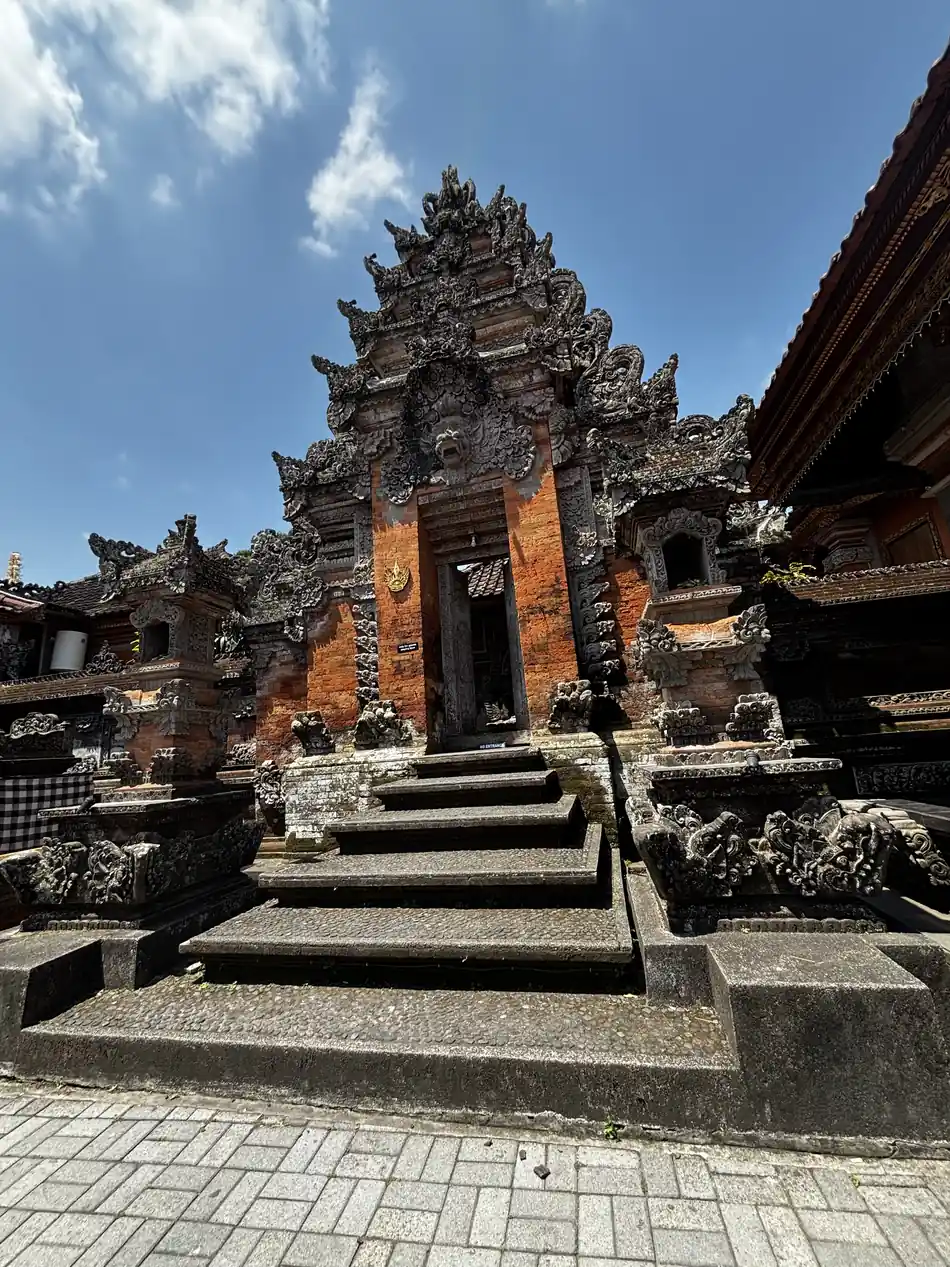
In the evenings the palace hosts traditional Balinese dance in its courtyard, with a separate ticket of around IDR 100,000. Even if you're not staying for that, the palace is worth a slow wander.
Right across the road is the Ubud Art Market, good for a browse — sarongs, baskets, carvings and the usual souvenirs. Prices are negotiable, so haggle gently and with a smile.
Tegalalang Rice Terrace Near Ubud
No Ubud day is complete without the rice terraces, and the famous one is Tegalalang, a short drive north of town. It's the postcard image of Bali: steep, stepped paddies carved into the valley and kept green by the centuries-old subak irrigation system.
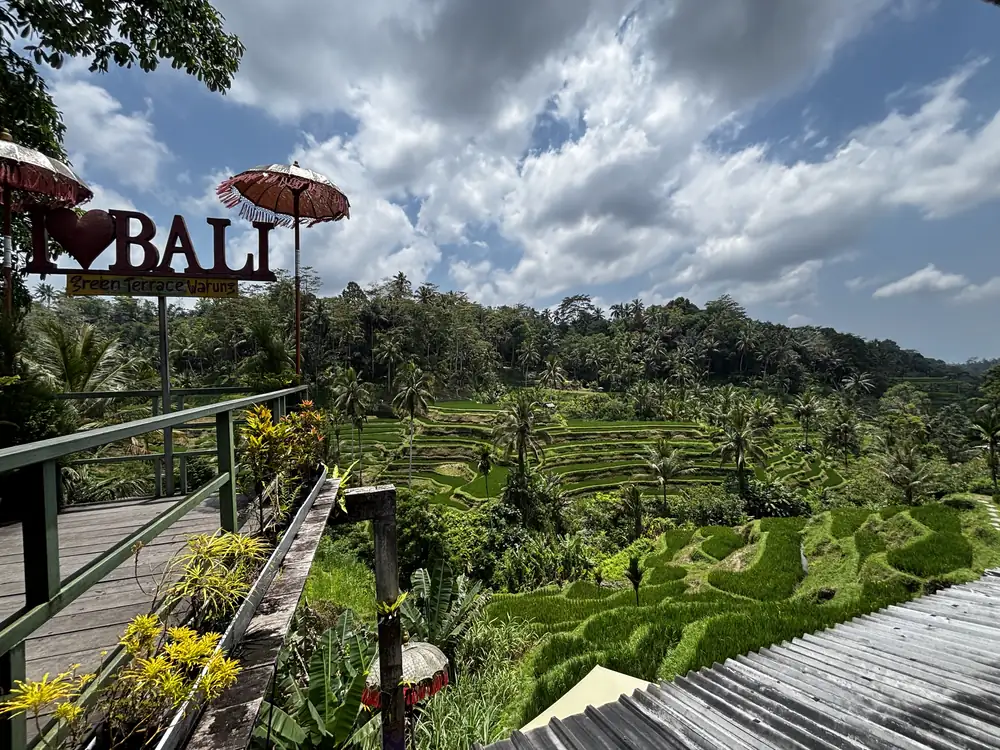
Entry is around IDR 25,000, with small extra donations at some of the viewpoints and swings on the way down into the valley. Wear decent shoes if you plan to walk in — it's steeper and more slippery than it looks.
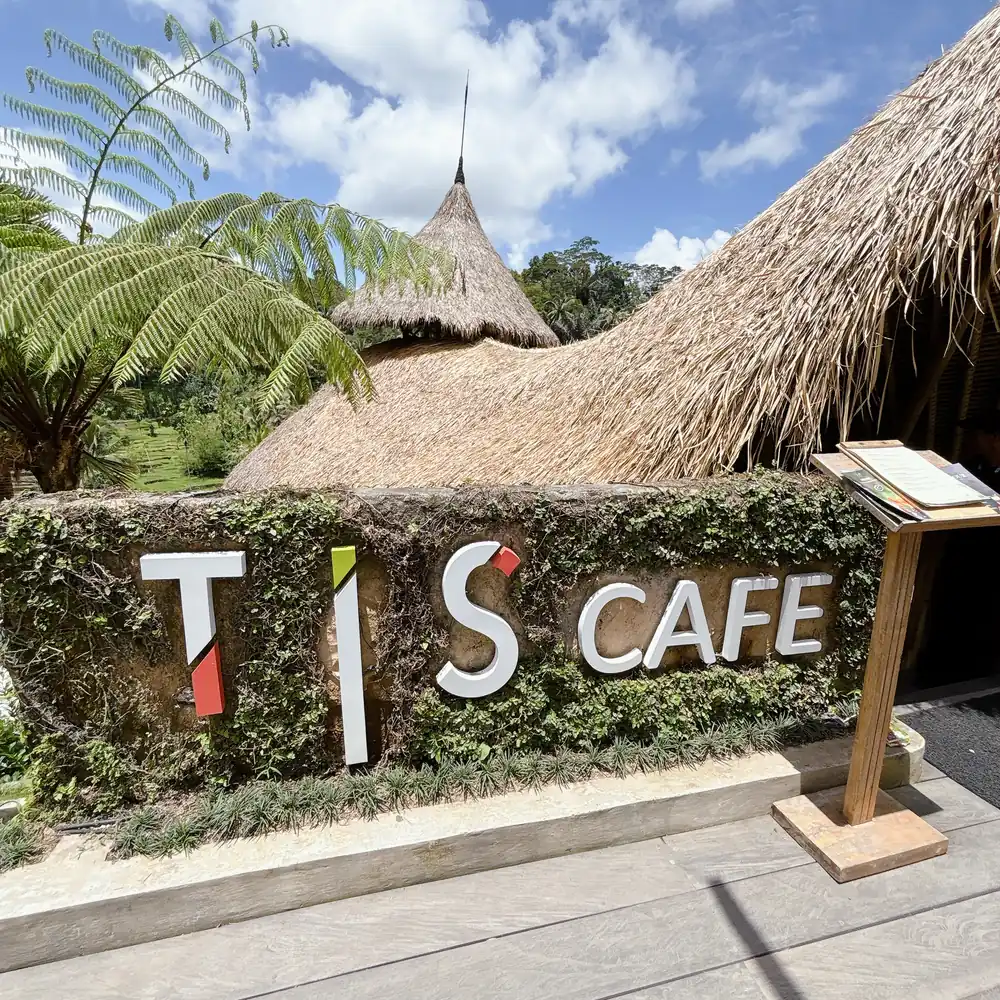
This is also café country. If you'd rather take the view in over coffee and a long brunch, TIS Cafe sits right on the Tegalalang terraces, with a pool over the fields.
Want this whole Ubud day planned and driven from Kuta — Monkey Forest, palace, terraces and lunch, at the local rate? Tell me your dates and where you're staying.
Plan my Ubud day 🤙Where to Eat in Ubud: SUN SUN Warung
Ubud is full of pretty cafés, but for lunch on a day trip I'd point you at a warung — a local family eatery — where you eat well and pay local prices. SUN SUN is the kind of spot I mean: honest Indonesian home cooking, a few dollars a plate, no fuss.
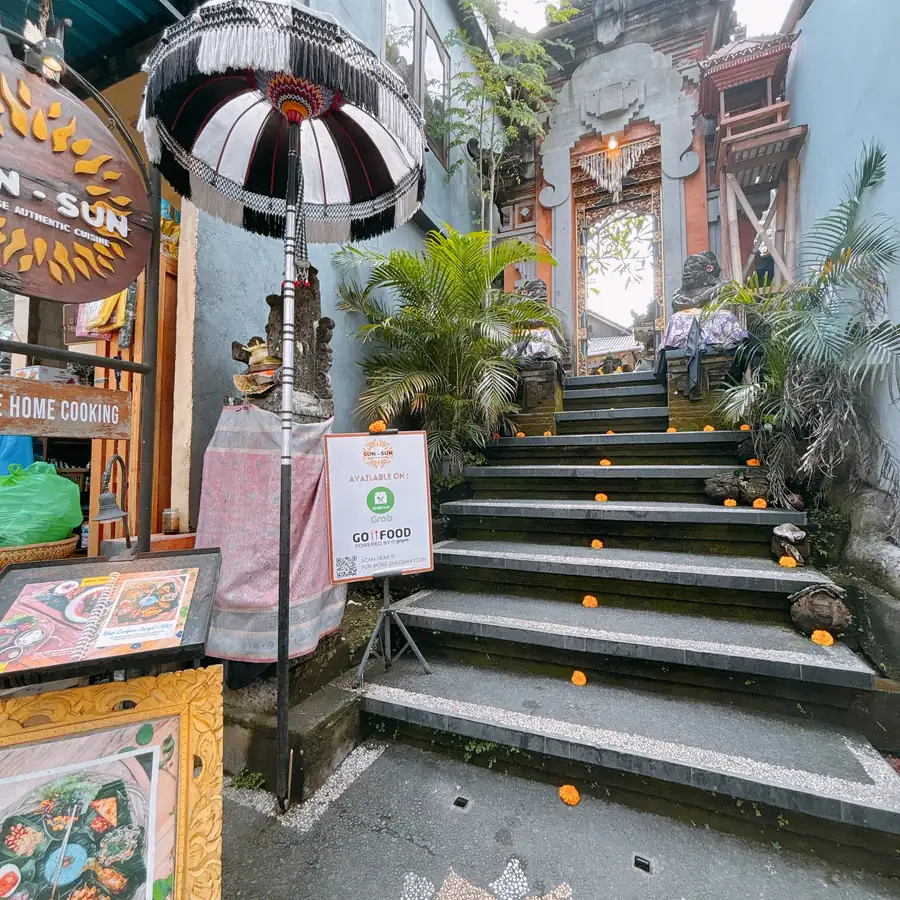
SUN SUN Warung
Local warung, Indonesian home cooking · Ubud
- Spend: About USD $3–6 a plate
- Where: Ubud
Order the Indonesian classics — nasi or mie goreng, sate, a fresh juice — and you'll eat better than at half the photo-friendly cafés for a fraction of the price. A full plate here runs about USD $3–6.
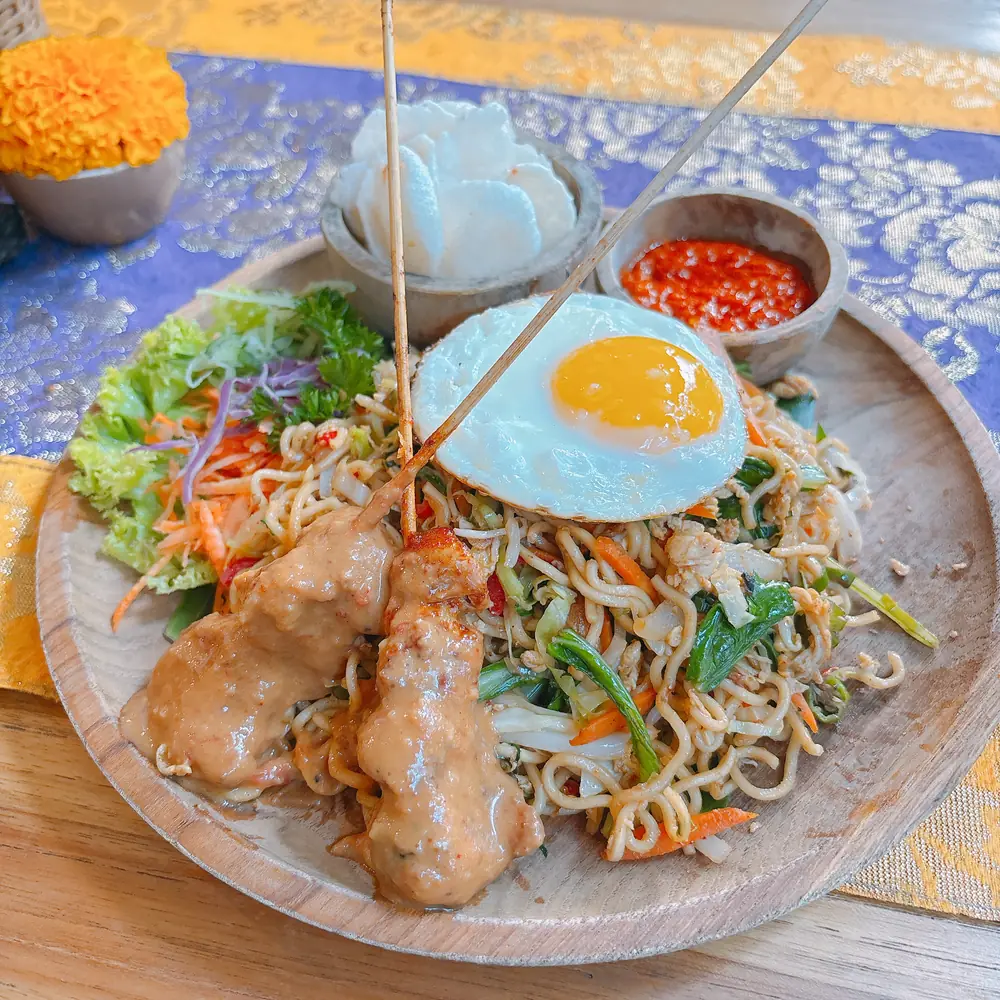
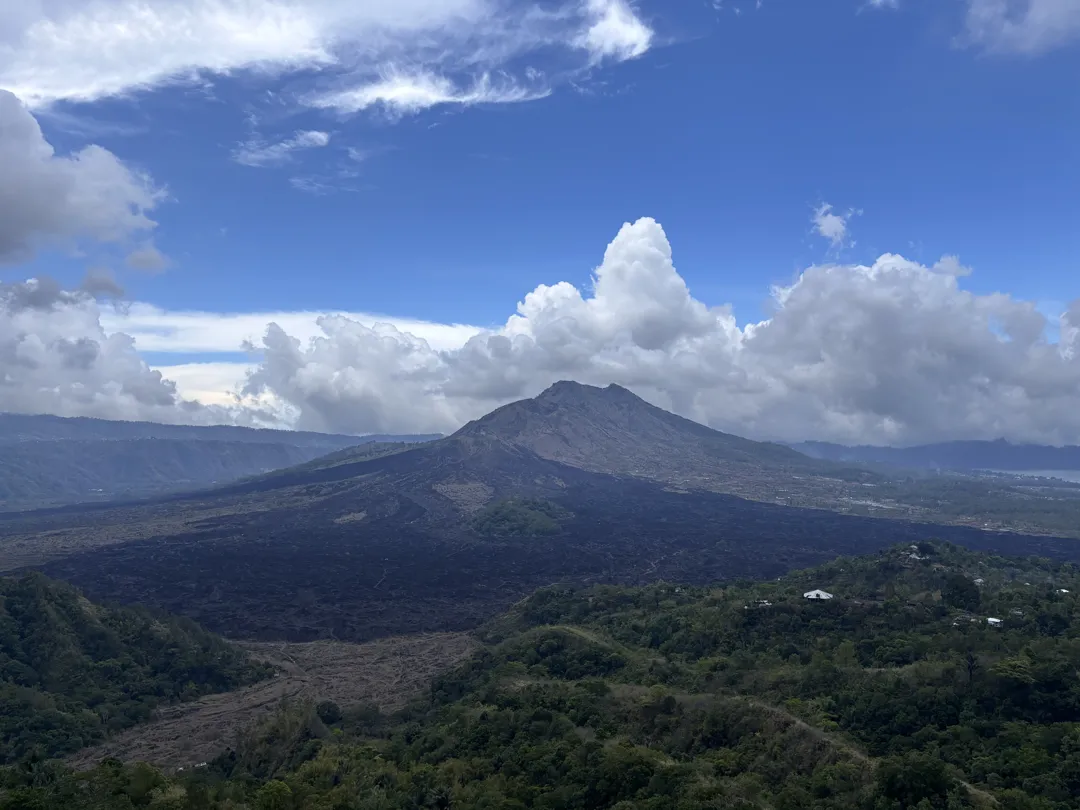
Ubud does great coffee too, if you want a slower finish. There's the rice-terrace view at TIS, or for the volcano-view version of the same idea further up, Akasa in Kintamani.
Getting to Ubud from Kuta
Ubud is about 1.5 to 2 hours from Kuta and the southern beaches, straight up through the middle of the island. It's an easy drive, but the road in and out of Ubud clogs up badly in the late afternoon, which is the one thing worth planning around.
For a day trip the simplest way is a private driver for the day. That lets you link the forest, the palace, the terraces and lunch without parking hassles or waiting on ride-hailing apps between each spot. A driver who knows Ubud also knows which terrace entrances and lunch spots are worth the stop and which to drive past.
Ubud pairs naturally with the rest of the highlands, too. If you've got more than a day, it slots in with the Sebatu holy spring and Ubud waterfalls or an early Mount Batur sunrise. Map it all on the Bali trip planner.
Best Time & Tips for an Ubud Day Trip
Start early. An 8 AM departure from Kuta gets you to the Monkey Forest before the coaches and the midday heat, and gives you the whole loop with time to spare. A few more things I'd tell a friend:
- Wear a sarong or long shorts. You'll be around temples all day; modest dress keeps you covered (literally).
- Bring small cash. Entry fees, market stalls and warungs are cash-first, and the rice-terrace viewpoints take small donations.
- Leave the terraces by mid-afternoon. The drive home is the part that goes wrong if you linger — the Ubud road backs up in the evening.
- Don't over-plan. Four good stops beat eight rushed ones. Ubud rewards a slower pace.
Is an Ubud Day Trip Worth It? Andrew's Take
Yes — Ubud is the easiest way to see the other side of Bali without leaving your Kuta base. In one day you get temples, monkeys, rice terraces and a proper local meal, and you're back by the beach for dinner.
The mistake is trying to do too much. People bolt on a waterfall, a coffee plantation, a swing park and three temples, then spend the day in the car. Keep it to the forest, the town, the terraces and a good lunch, take it slow, and it's one of the best days you'll have on the island.
Ubud Day Trip FAQ
Can you do Ubud as a day trip from Kuta?
Yes. Ubud is about 1.5 to 2 hours from Kuta by car, so a day trip works well. A comfortable route is the Sacred Monkey Forest, Ubud Palace and the town centre, the Tegalalang rice terraces and lunch at a local warung, then back before the evening traffic. With a driver you can fit it into a single relaxed day.
How much is the Sacred Monkey Forest in Ubud?
Entry to the Sacred Monkey Forest Sanctuary is IDR 130,000 for adults and IDR 100,000 for children (prices are set in rupiah and change over time). The optional monkey selfie is a separate set fee of IDR 50,000. It's home to hundreds of Balinese long-tailed macaques and three temples set in the jungle.
Is Ubud Palace free to visit?
Yes. Ubud Palace (Puri Saren Agung) in the centre of town is free to walk around during the day. In the evenings it hosts traditional Balinese dance performances, which have a separate ticket of around IDR 100,000.
How do you get from Kuta to Ubud?
The easiest way is a private driver for the day — about 1.5 to 2 hours each way from Kuta. That lets you link the Monkey Forest, the palace, the rice terraces and a meal without worrying about parking or ride-hailing between spots. Message me to set it up at the local rate.
What's the best way to avoid trouble with the monkeys in Ubud?
Don't carry food or drinks in your hands, keep sunglasses, hats, phones and loose bags secured, and don't tease the monkeys or pull things away from them. They're wild macaques, so treat them with respect, keep a little distance, and follow the sanctuary staff's directions.
What should you do if a monkey bites you in Ubud?
Take any bite or scratch that breaks the skin seriously — rabies is present in Bali and a monkey can carry it while still looking healthy, so the sanctuary's monkeys being vaccinated isn't a reason to skip care. Wash the wound hard with soap and running water for 10–15 minutes, use the first-aid post inside the Sacred Monkey Forest to clean and cover it, then see a doctor the same day, as you may need a rabies post-exposure vaccine. Near Kuta, most foreign visitors use BIMC Hospital, which is set up for international patients.